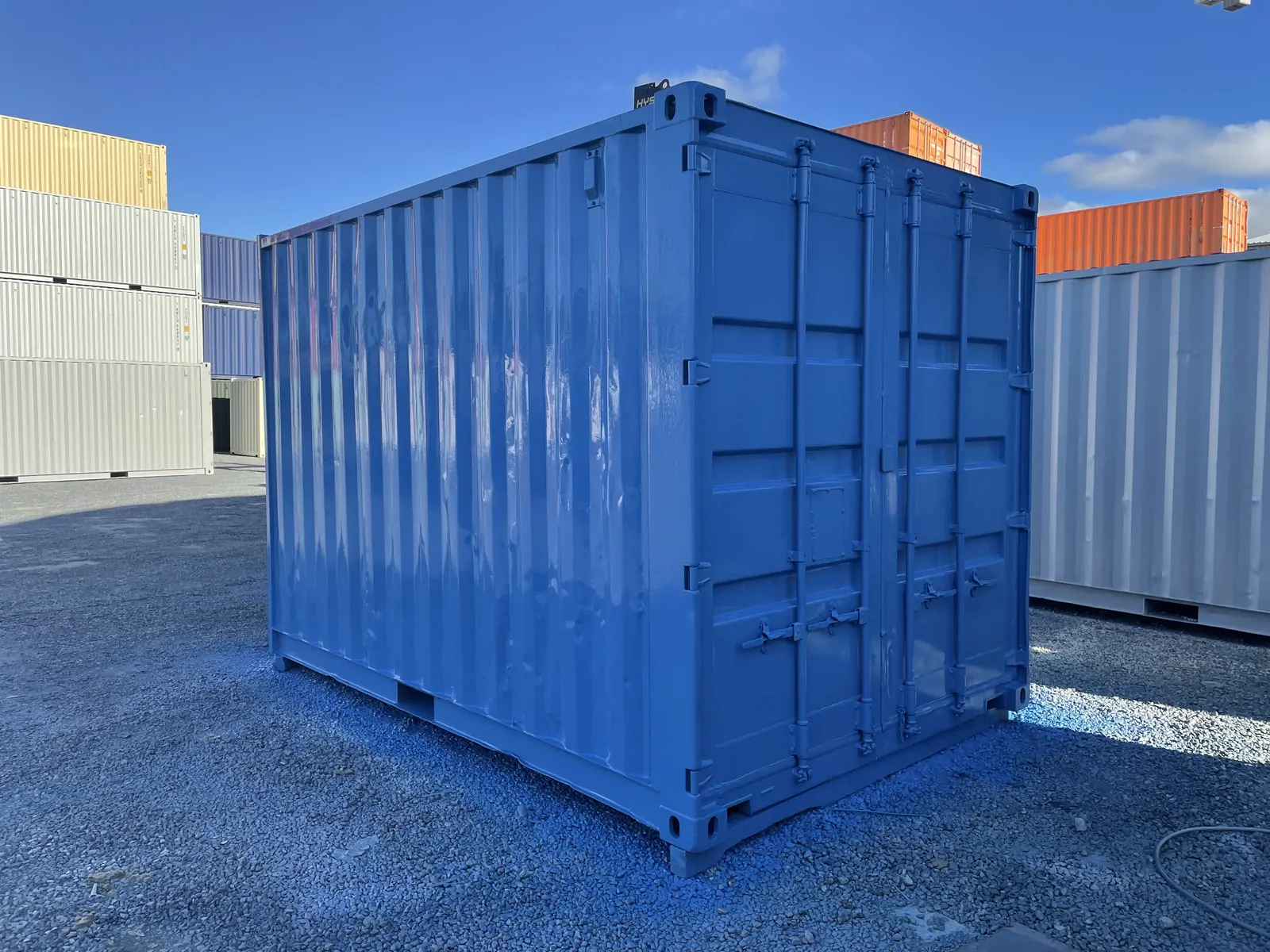
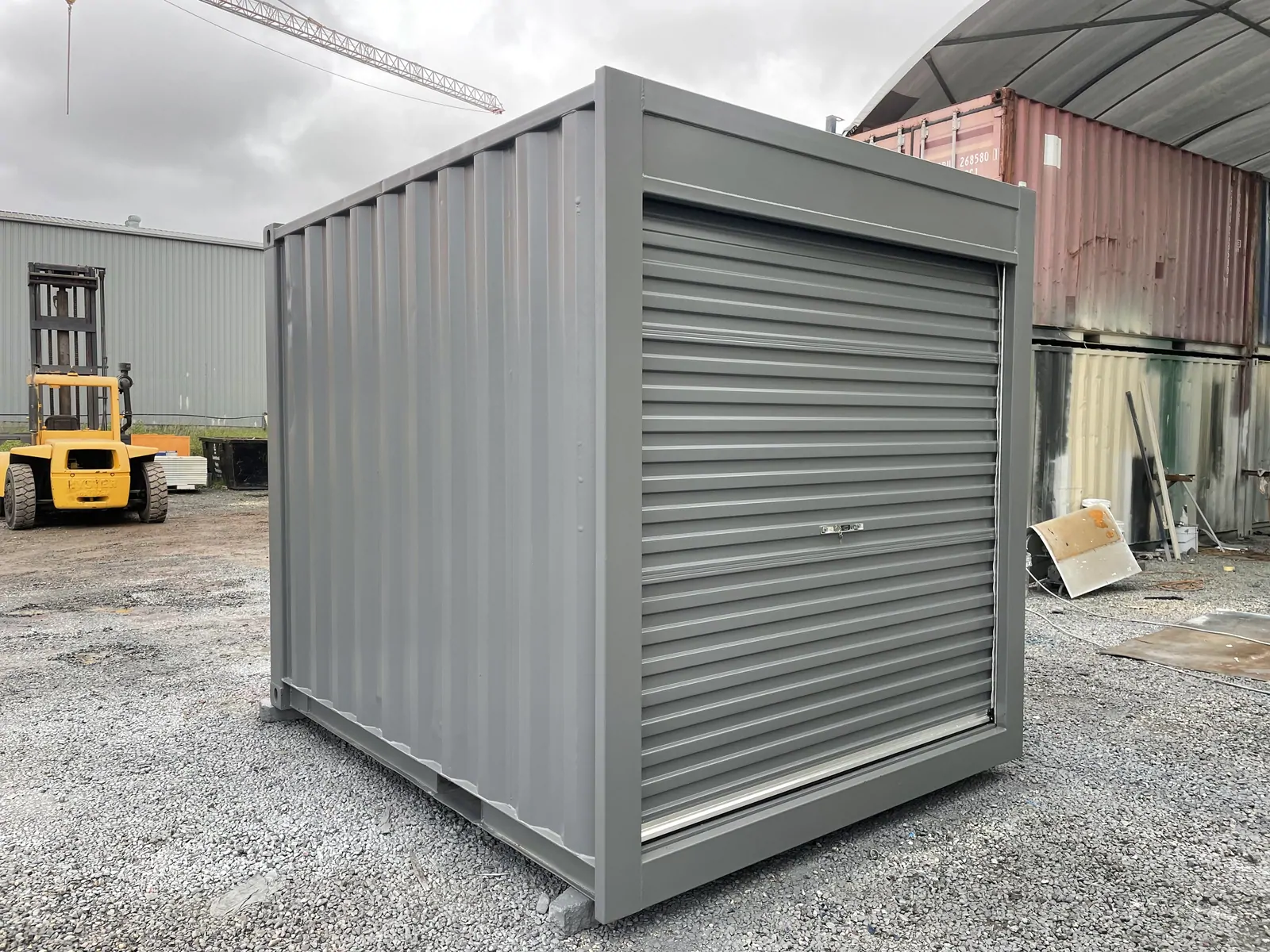
 10ft
10ft10ft Shipping Containers
Room is tight — a narrow side path, a setback that leaves almost nothing, or you just want a locked spot for the mower, a compressor and the tool racks.
Used from$4,350
New from$6,400
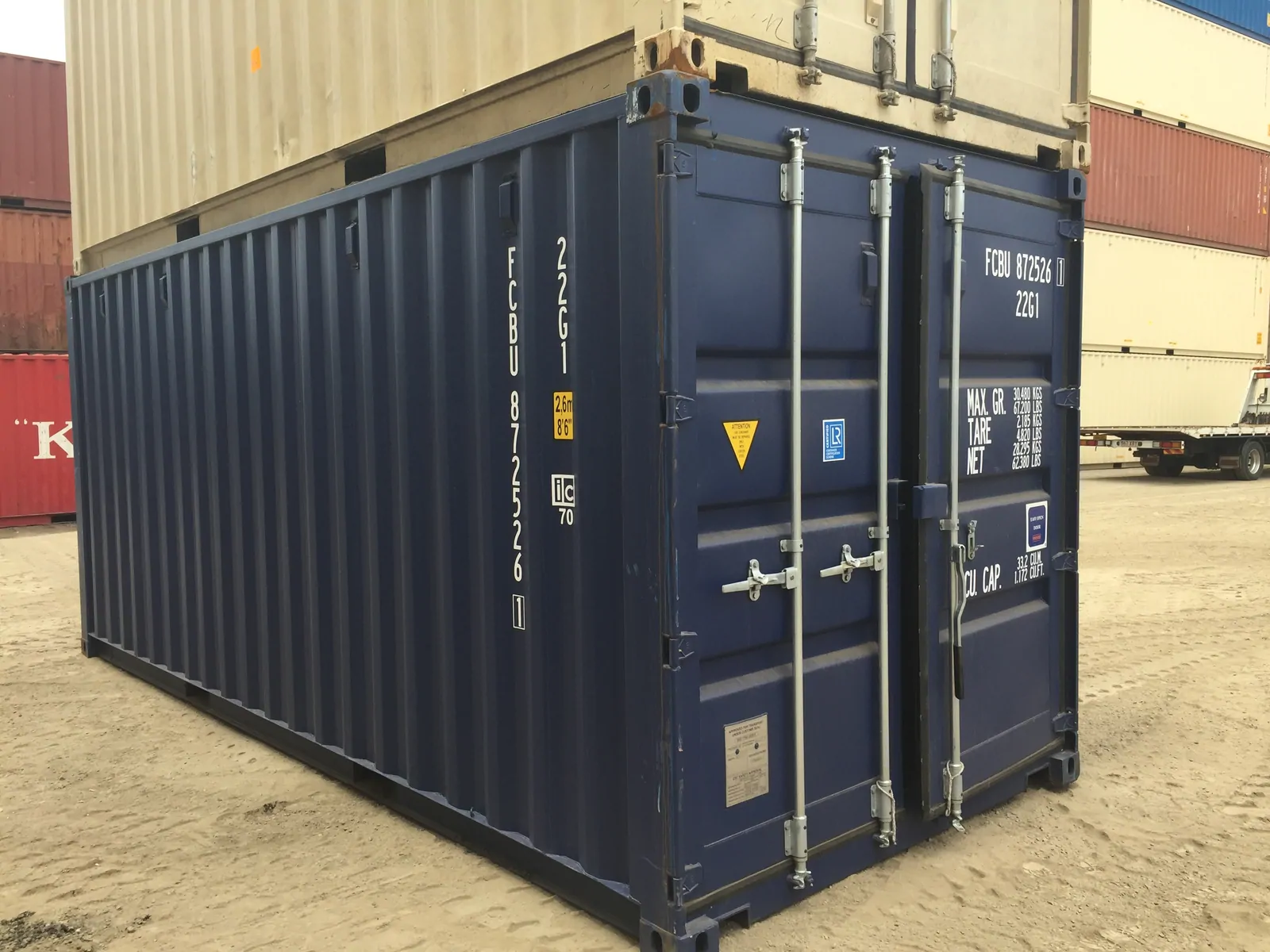
Melbourne, VIC
Melbourne runs on local stock — nobody sensible carts a container from Queensland to Footscray — and the market asks different questions to the ones we get up north. More conversions, more fit-out work, more people buying a box for what it will become. The climate problem is inverted too: up there it is heat and humidity, here it is cold, wet and condensation.
No sales pitch — just the things that change the order.
Around Melbourne we deliver containers for cafe, bar and food-truck fit-outs built out of a box instead of a tenancy, workshop, studio and rehearsal conversions across the inner north, site stores on the renovation work through Brunswick, Northcote and Yarraville, storage for market, event and production gear between runs, trade and stock storage on the industrial estates at Truganina, Derrimut and Dandenong South, and machinery and feed storage on the small farms out past Werribee and Pakenham.
Melbourne's inner suburbs have a delivery feature no other Australian city has at the same scale: bluestone rear laneways. When one is wide enough it is a gift, because it puts the truck at the back fence instead of on a busy street. When it is not, it is a trap — a typical lane is three metres between brick walls, with a dogleg, a power pole and somebody's wheelie bins in it, and a rigid truck with six metres of container overhanging the rear axle cannot negotiate that. The other Melbourne feature is overhead. Tram wires run along and across a very large share of inner-suburban streets, and a lifted tilt bed or a crane boom going up under a tram wire is not a risk anyone takes — which quietly rules out a lot of frontages through Fitzroy, Brunswick, Carlton, Richmond and along every tram route in the middle ring. Add clearways on the arterials, loading zones with time limits, and a CBD grid where a truck cannot simply stop and think, and inner Melbourne deliveries are as much about timing as geometry. Ground varies more than people expect. West and north through Werribee, Melton, Sunbury and Craigieburn is basalt plains country with heavy cracking clay that opens up through a dry summer and swells back through winter, and a container sitting straight on it will rack a corner at a time. Bayside and down the peninsula it is sand, which carries poorly. Along the Yarra and Maribyrnong flats it is silt. And a great many inner-suburban back yards are fill over old market garden or worse, which is fine to sit on and unwise to assume anything about. Then there is winter: months where a back yard simply does not dry out, and a loaded truck on soft lawn in July is how you get a lawn full of ruts.
Grade moves the price more than size does, and it is what decides whether a unit is sold watertight — the full rundown is on the grades page.
The range
Guide prices in AUD, ex GST. Delivery is quoted with the container.
10ftRoom is tight — a narrow side path, a setback that leaves almost nothing, or you just want a locked spot for the mower, a compressor and the tool racks.
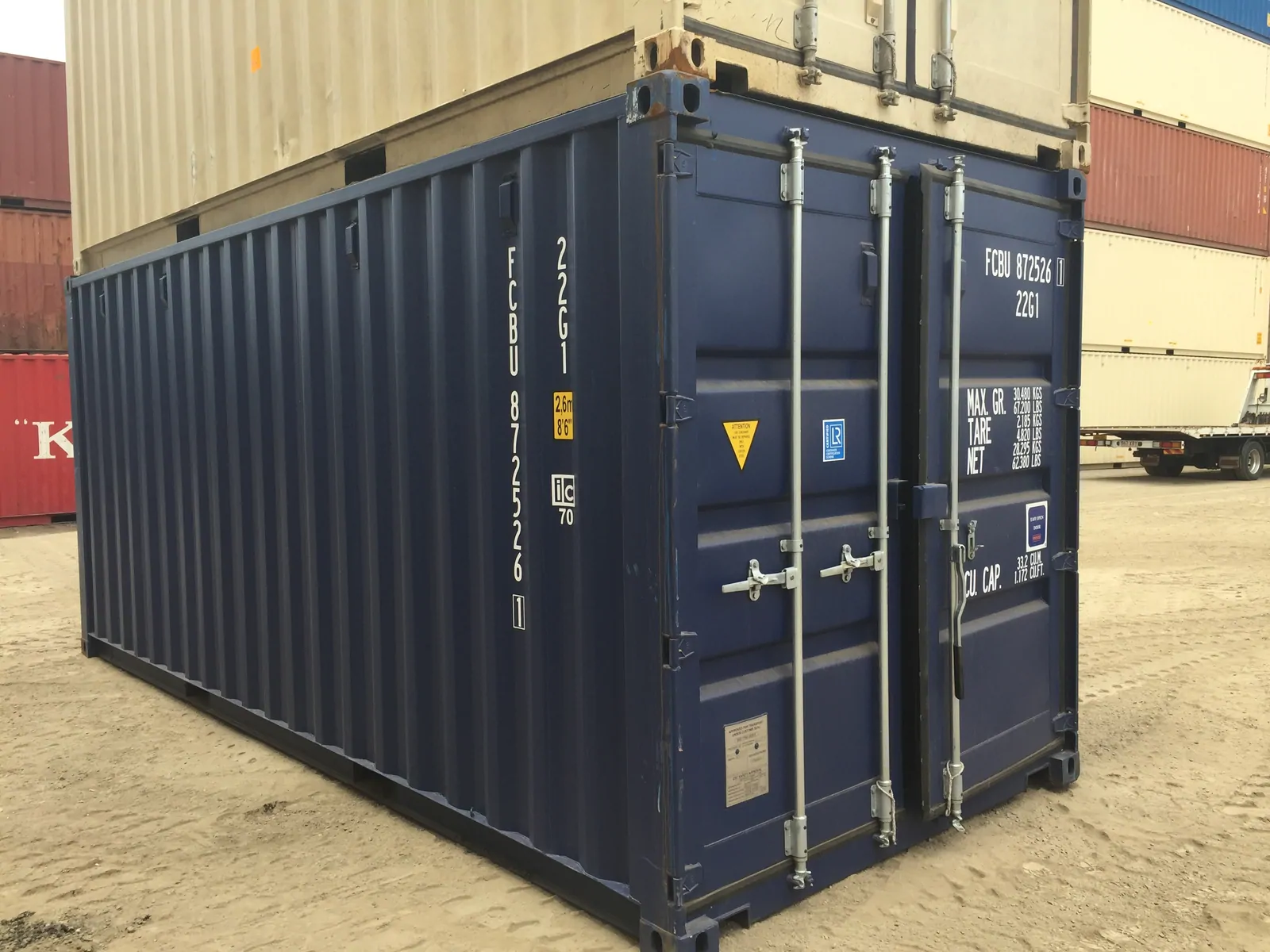 20ft
20ftThere is roughly seven metres of flat, straight ground for it, and you want the size most people end up glad they picked.
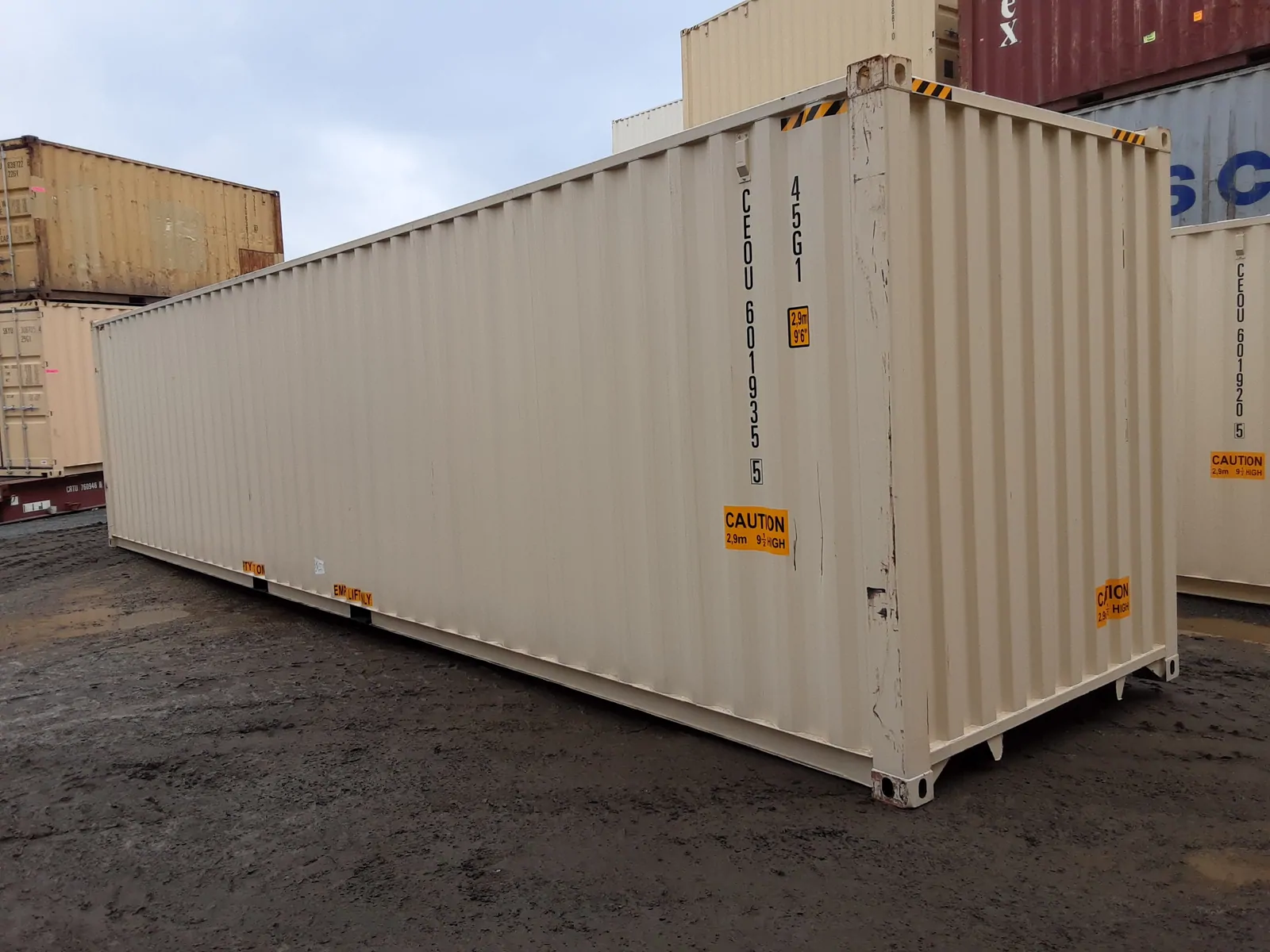 40ft
40ftThe site is roomy, the truck can get a long straight run at it, and storage per dollar is what counts.
Melbourne
The rear lane is the first thing we ask about on an inner-north or inner-east job, because if it works the whole delivery gets easier. Measure it rather than eyeballing it — the width at the narrowest point, not the widest, and note any dogleg, power pole, bin store or low garage awning along the run. Lanes that look identical on a map behave completely differently once a truck is in them, and there is no reversing out of a bluestone lane with a container on the back once you are committed.
Tram wires are the constraint people never think of until the truck arrives. A tilt bed lifts, and a crane boom lifts a great deal further, and neither goes near an overhead wire. On a frontage under tram wires the delivery has to come from somewhere else — the rear lane, a side street, or a lift positioned clear of the span. It is entirely workable, it just cannot be improvised on the day. A photo from the footpath showing the wires, one down the lane if you have one, and one of where the container is going will let us tell you which of those it is before you order.
On the ground
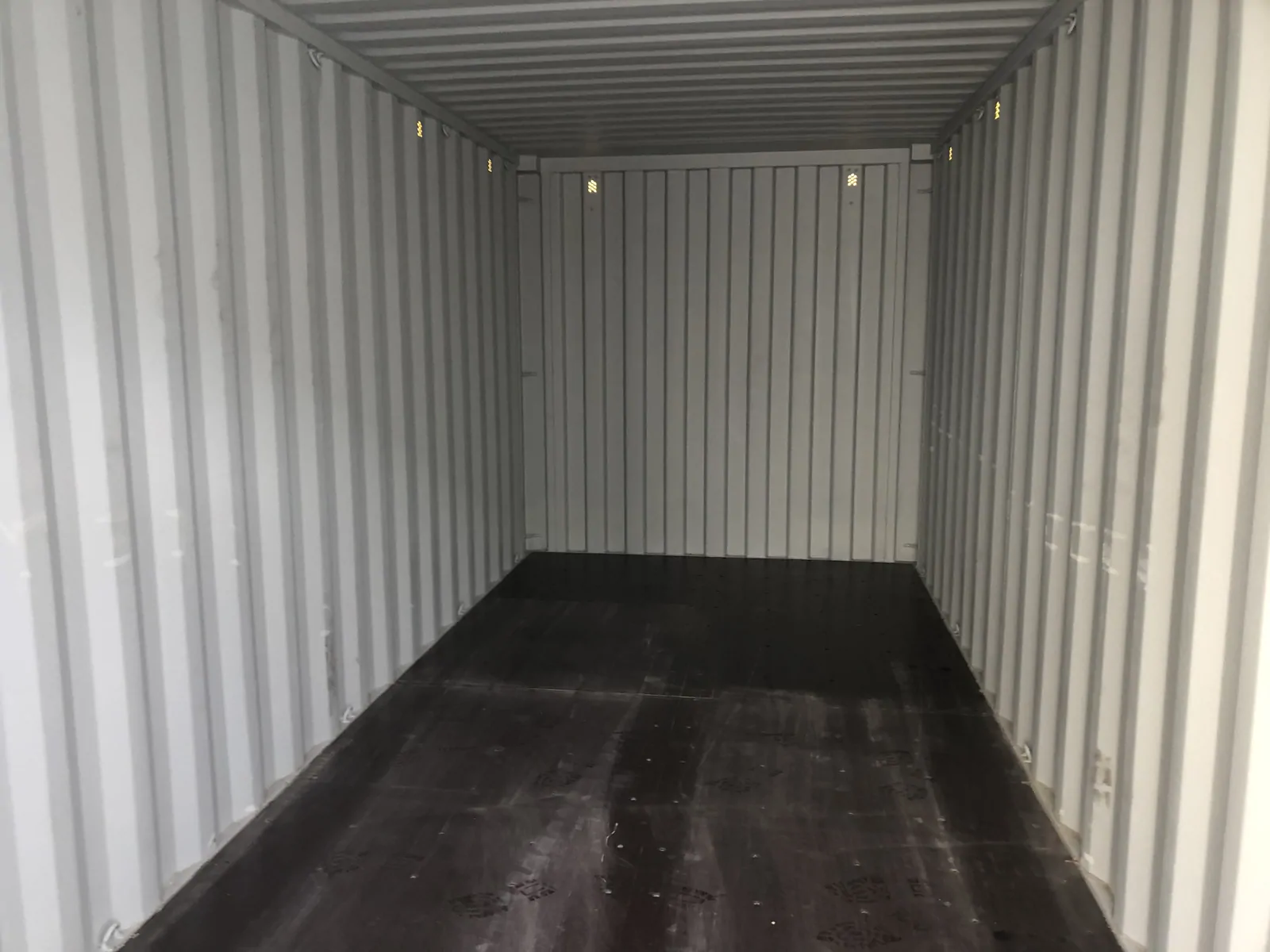
The condensation question comes up here more than anywhere else we deliver, and it is a real thing rather than a fault. A container is uninsulated steel with a very large roof area. Through a Melbourne winter the roof panel spends most of the night below the dew point of the air trapped inside, moisture forms on the underside and runs down the corrugations, and by morning it is dripping onto whatever is directly beneath. People find water on the floor and assume the roof has failed. Usually it has not — the water started on the inside of it.
It is straightforward to manage. Do not shut anything damp in there to begin with — a wet tarp, green timber or a load of gear brought in out of the rain will hold humidity up for months on its own. Keep contents up on pallets or bearers so air moves underneath them. Fit extra vents at both ends if the unit is holding anything moisture-sensitive, and open the doors for a few hours on a dry, breezy day when Melbourne provides one. For a long-term store, or for anything that is going to be occupied or fitted out, insulating the roof and walls stops the problem at the source rather than managing the symptom, and it is money well spent here in a way it is not further north.
Worth knowing
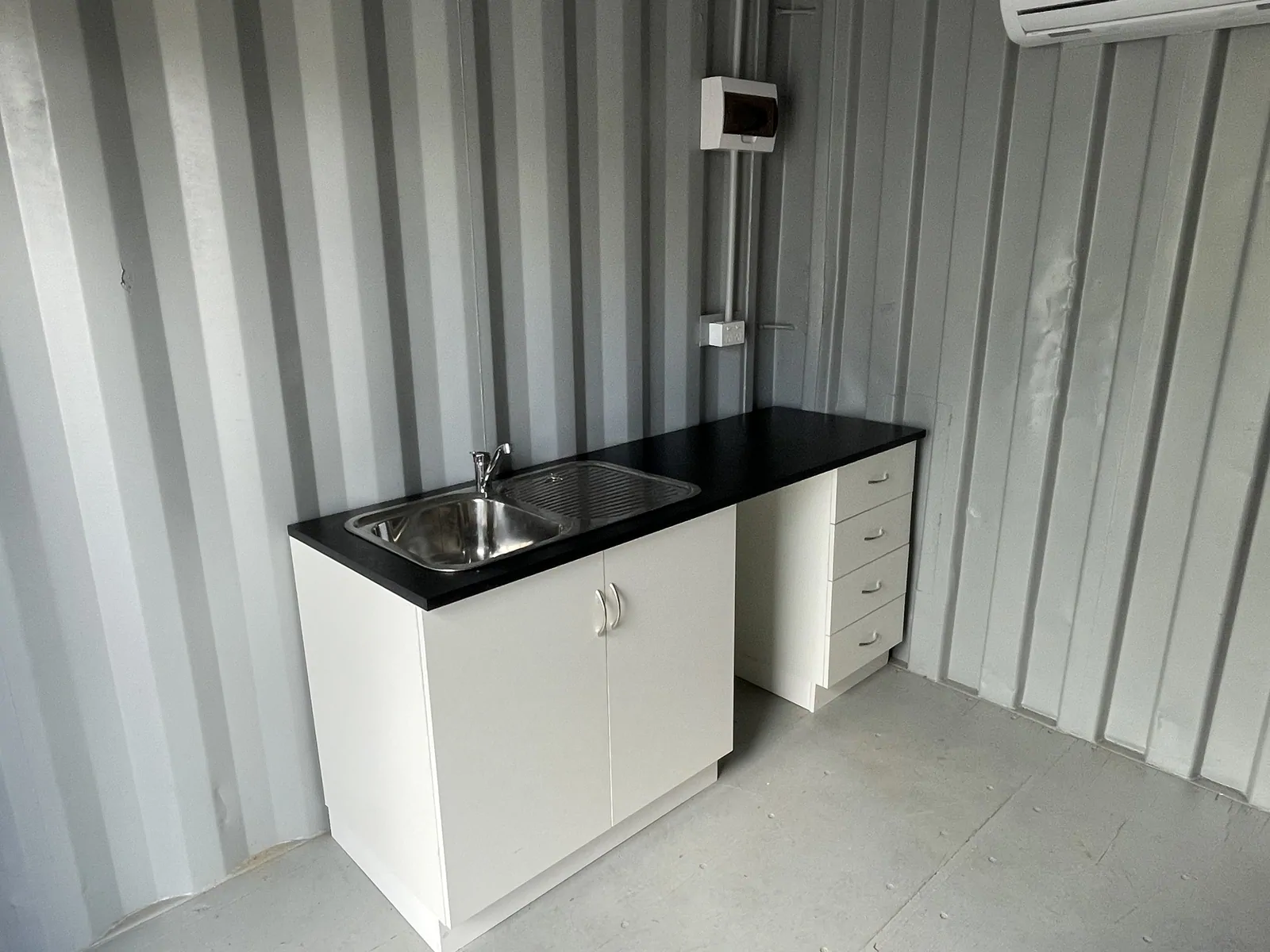
A large share of Melbourne enquiries are not really about storage. They are about a container that will have a window cut in it, a bar built into it, a roller door fitted or a wall opened up — food and drink fit-outs, studios, workshops, pop-ups and display spaces. The buying decision is genuinely different for that. If the box is going to be seen by customers, or clad, lined and painted, start with the straightest, cleanest unit you can get rather than the cheapest, because every dent and every patch of surface rust becomes somebody's labour later and labour costs more than the difference in the container did. Cargo-worthy units are checked wind and watertight before they leave the yard, which is the sensible floor for a conversion; as-is units are cheaper, are not sold as watertight, and are the wrong starting point for anything with a fit-out going into it. It is also worth knowing that once you start cutting into the side walls you are cutting into what makes the box rigid, and structural work of that kind needs someone who does it properly. Tell us at the enquiry what the container is becoming and we will steer you to the right starting unit.
We price each haul on its own. A long, flat, open run can cost less to deliver than a short, steep, tight one.
Mention anything awkward up front — a cattle grid, a low carport, a soft patch after rain — and we plan around it.
We also deliver to Geelong, Dandenong, Werribee, Frankston, Sunbury and the surrounding district. If your town is not on the list, ring — it almost certainly still works.
Worth reading before you order for Melbourne: Shipping container modifications — what is safe to cut and what is not and Container grades explained — new, cargo-worthy and as-is.
Common questions
Local depots — around the port and out through Altona, Laverton and Truganina in the west, and Dandenong South in the south-east. Nothing is carted down from Queensland for a Melbourne address, because it would add cost and achieve nothing. That local supply is why choice is good here: a particular grade, size, door configuration or a high cube is a normal request rather than a long shot. You can inspect at a depot by arrangement, or ask for photos of the actual unit on request and we will send them before delivery.
Sometimes, and it depends entirely on the lane. Measure the narrowest point rather than the widest, and note any dogleg, power pole, bin store or low awning along it, because a rigid truck with a container overhanging the rear axle cannot reverse back out once it is committed. Where the lane will not take a truck, a crane lift from the street usually will — provided there are no tram wires over the frontage. Send a photo down the lane and one from the street and we will tell you which it is.
They can, and it is condensation rather than a leak nearly every time. The steel roof sits below the dew point of the air inside for most of a winter night, moisture forms on the underside and drips. Do not store anything damp in there, keep contents up on pallets so air moves, fit extra vents at both ends, and open the doors for a few hours on a dry day. For a long-term store or anything being fitted out, insulating the roof and walls solves it properly rather than managing it.
Start with the straightest, cleanest unit you can get rather than the cheapest. Every dent and rust patch becomes labour once someone is cladding, lining or painting it, and labour will cost you more than the difference in the container. Cargo-worthy is the sensible floor — those units are checked wind and watertight before they leave the yard. As-is units are cheaper, are not sold as watertight and are the wrong starting point for a fit-out. Also bear in mind that cutting into the side walls affects what makes the box rigid, so structural work needs someone who does it properly.
Get a price
We deliver to Melbourne and the surrounding district. Tell us what is going in it and what the access is like, and you will get a price with the cartage worked out. Every enquiry gets a reply within one business day.
Rather talk? Call us on 0477 410 500, Mon–Fri 7:30am–5pm, Sat 8am–12pm