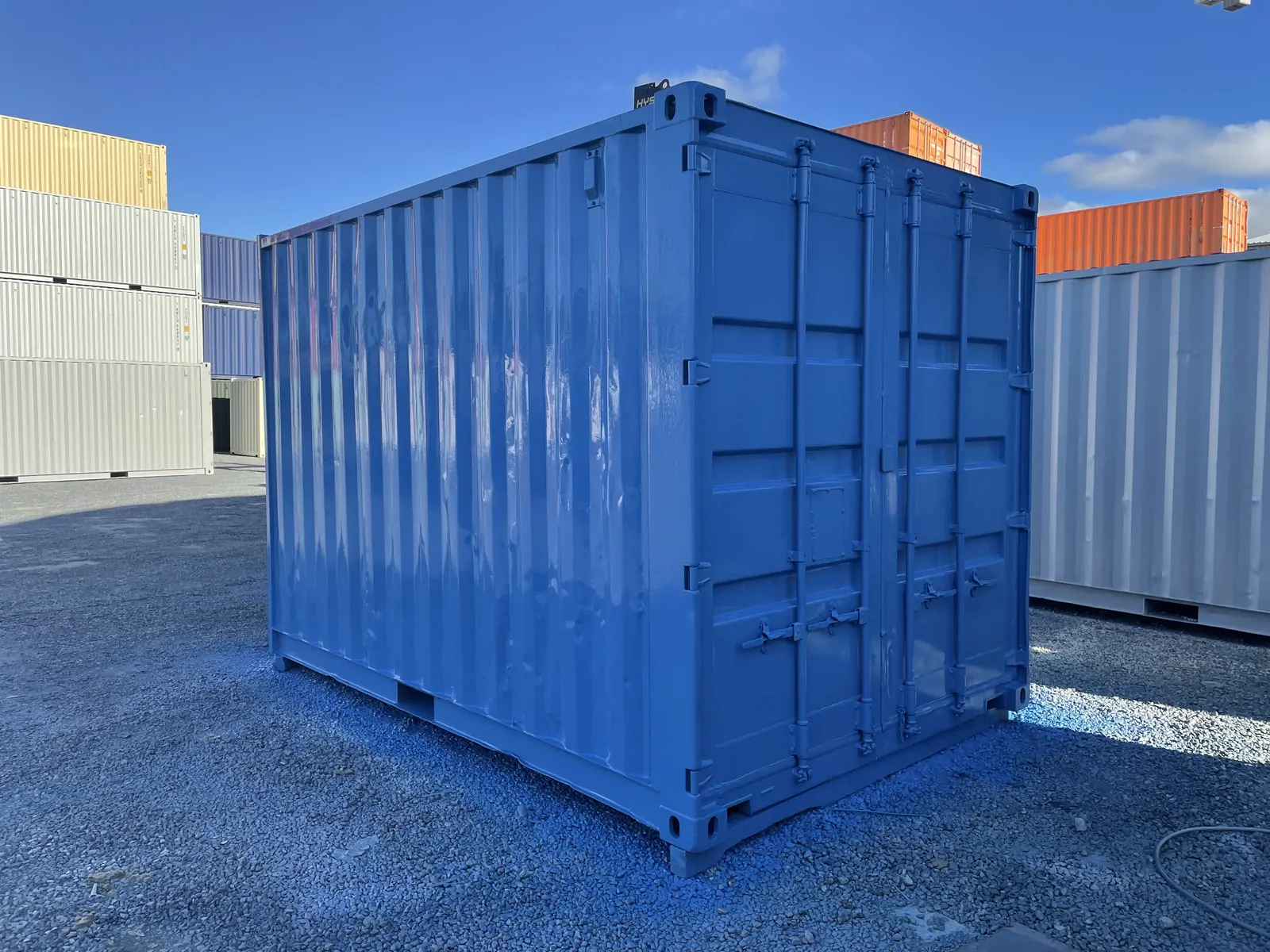
 10ft
10ft10ft Shipping Containers
Room is tight — a narrow side path, a setback that leaves almost nothing, or you just want a locked spot for the mower, a compressor and the tool racks.
Used from$4,350
New from$6,400
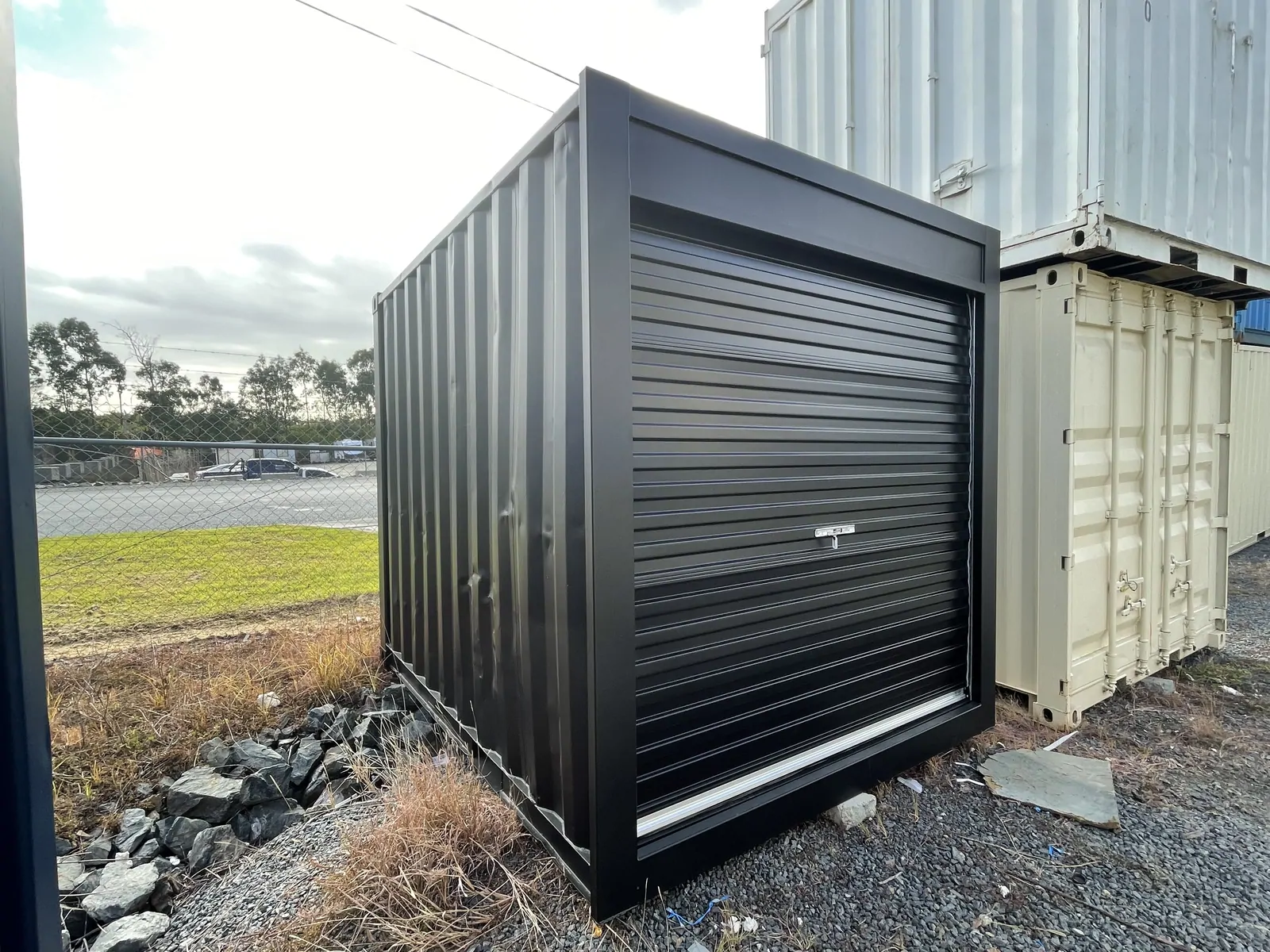
Storage
A shipping container is the cheapest lockable, relocatable storage there is, and in cargo-worthy grade or better it keeps the weather out. Getting it right comes down to three things: grade, siting and air.
Cargo-worthy or better if anything inside matters. As-is units are cheaper and are not sold watertight; they are a good buy for a lock-up under an existing roof and a poor one for anything you would be upset to find wet.
Level, on firm ground, weight on the four corner castings, doors facing somewhere you can get a vehicle to but a stranger cannot loiter. Fall away from the doors rather than towards them.
Warm humid air, cold steel, and water forms on the underside of the roof overnight and drips onto whatever is below. Vents, a pallet layer, desiccant, and never seal anything damp inside.
A container keeps rain out from above when it is cargo-worthy grade or better. It does not keep floodwater out — water reaches the door seals and gets in, and an empty container will float. If the site floods, what protects the contents is height above the flood line and being able to move things out in time.
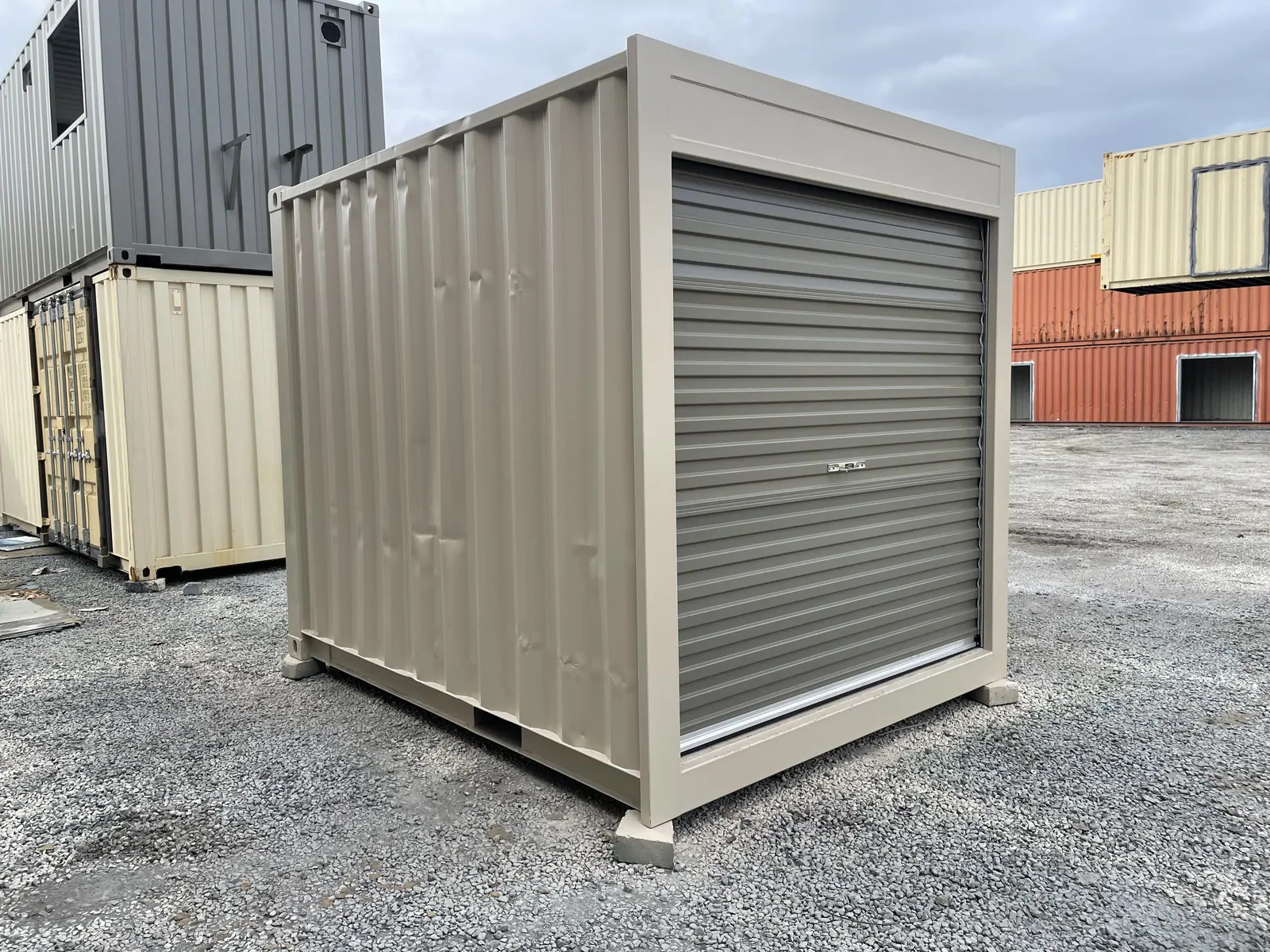
Security
Every unit we sell has a lock box — a steel shroud welded over the padlock area so the shackle cannot be reached with bolt cutters. Put a closed-shackle padlock inside it and the lock stops being the weak point.
After that it is siting. Doors facing a fence, a wall or the house rather than the street. Somewhere with a light on it. Somewhere a truck cannot back up to unobserved. None of that costs anything and all of it matters more than the padlock does.
Sizes
10ftRoom is tight — a narrow side path, a setback that leaves almost nothing, or you just want a locked spot for the mower, a compressor and the tool racks.
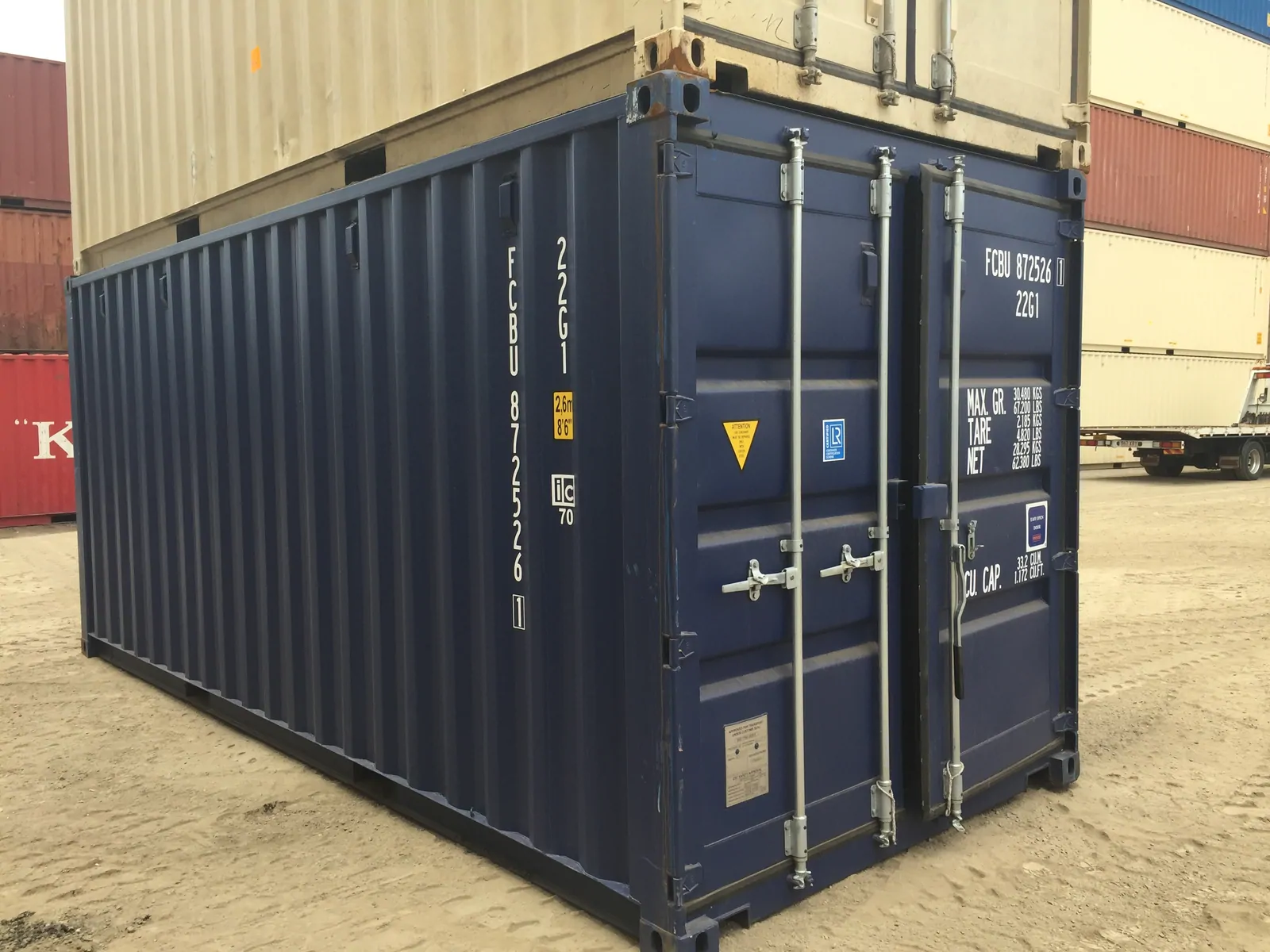 20ft
20ftThere is roughly seven metres of flat, straight ground for it, and you want the size most people end up glad they picked.
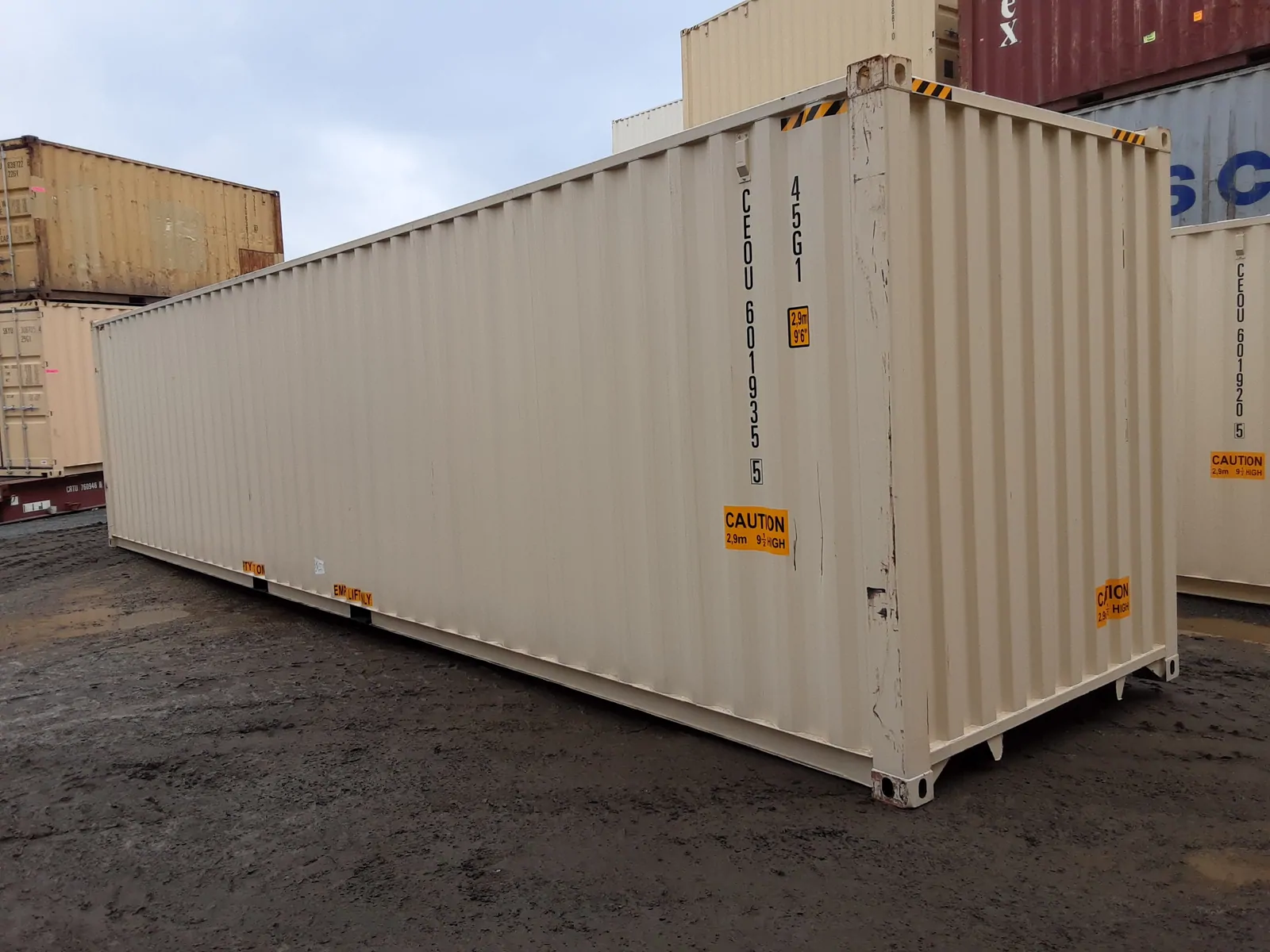 40ft
40ftThe site is roomy, the truck can get a long straight run at it, and storage per dollar is what counts.
Common questions
A container is a steel box with one way in, and that is a good start. What decides it is the lock and where the container sits. A lock box — a steel shroud welded over the padlock so bolt cutters cannot reach the shackle — with a closed-shackle padlock inside it is the standard answer, and it is fitted to our units. Then site it so the doors face a wall, a fence or the house rather than the street.
They can, and it is the single most under-discussed problem with container storage. It is not usually leaks — a cargo-worthy unit is checked wind and watertight. It is condensation: warm humid air inside, cold steel roof at night, and water forms on the underside of the roof and drips. Vents, a pallet layer off the floor, desiccant and not storing anything damp in the first place are the fixes.
Neither, exactly — what matters is that the weight sits on the four corner castings on something firm and level. Timber sleepers, concrete pads or compacted road base under each corner works well. Sitting the whole container flat on lawn traps moisture underneath, encourages rust from below and, on soft ground, lets one corner settle so the doors stop closing.
That depends on your council, and the answer genuinely varies shire to shire. Some treat a container as an ancillary structure needing no approval; others want a siting application, particularly if it is visible from the street or is staying indefinitely. It is one phone call to your council and much better made before delivery than after.
Get a price
Tell us what is going in it and where it is going. Every enquiry gets a reply within one business day.
Rather talk? Call us on 0477 410 500, Mon–Fri 7:30am–5pm, Sat 8am–12pm